

When the River Freezes: How to Keep Training Through the Winter
A practical winter plan for rowing clubs facing ice and short days: erg blocks, circuits, technique work, and a smart return to the water.
The first hard frost changes everything. One morning the dock is silver and the water is still moving; the next, the bay is glassed over and the launch is stranded on its trailer. For clubs in cold climates, winter is not a pause in rowing. It is a change of surface. The work still needs doing, but the shape of it shifts. What follows is a seasonal plan that keeps rowers fit, sharp and sane until the water opens again.
Start with the calendar, not the erg
Before anyone pulls a handle, map the winter honestly. Mark the weeks when ice usually arrives, the holidays when turnout drops, the exam periods, and the first realistic date for launching. Then set three goals for the club: one aerobic, one strength, one technical. Write them where everyone can see them, because a shared target survives a cold Tuesday better than a personal promise.
Coaches should also decide what winter is for. If the spring season matters most, winter is base-building and durability. If there is an indoor championship on the schedule, the plan needs more intensity and more specific erg work. Trying to do both at full volume is how rowers arrive at the first water session tired and injured.
The erg block: build a spine, not a slog
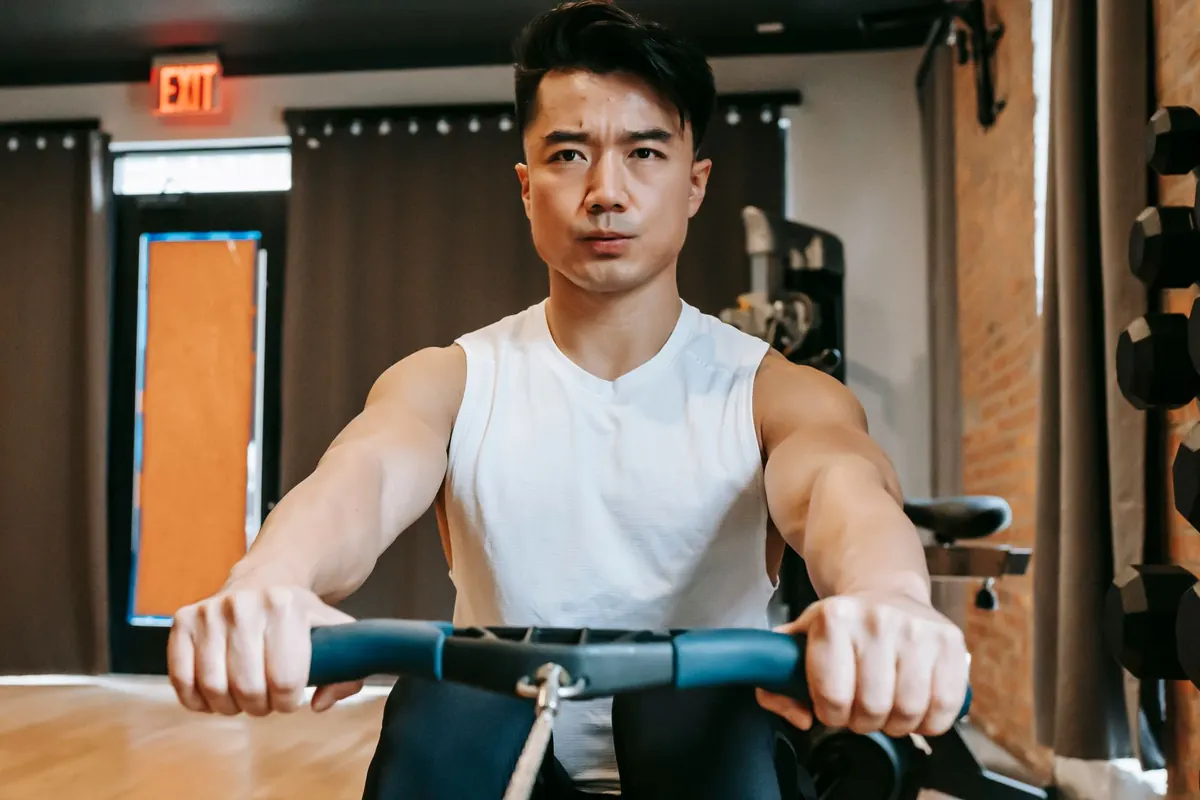
The erg is a tool, not a punishment. Use it in three-week cycles: one week of volume, one week of harder pieces, one week of testing or lighter work. Keep the stroke long and sequenced. If the monitor becomes the only coach in the room, technique goes first and fitness follows it down.
A simple week might look like this:
- Steady state: 3 x 20 minutes at rate 18–20, with two minutes easy between.
- Threshold: 4 x 8 minutes at rate 22–24, holding a pace you could repeat for the whole set.
- Short intervals: 6 x 500 meters at rate 26–30, full recovery, focusing on a strong first five strokes and a controlled finish.
- Long easy: 40–50 minutes at rate 18, nose breathing if possible, no racing the person beside you.
Vary the lineup. One week, make the threshold pieces 3 x 12 minutes. The next, make the short intervals 10 x 250 meters. Small changes keep the mind engaged and reduce the repetitive strain that comes from doing the same session all winter.
Indoor circuits that carry over to the boat
Rowing strength is not about maximum lifts alone. It is about holding posture while the legs drive and the trunk transfers force. Twice a week, after an easy erg or on a separate day, run a circuit that trains those patterns.
- Step-ups onto a sturdy box, controlled down, 8–10 each leg.
- Split squats or reverse lunges, keeping the front knee tracking over the foot.
- Push-ups or bench presses for the pressing muscles that balance all that pulling.
- Inverted rows or seated cable rows with a pause at the ribs.
- Glute bridges or hip thrusts for the finish.
- Front planks and side planks, 30–45 seconds each.
- Dead bugs or bird dogs for trunk control without holding your breath.
Three rounds of 40 seconds work and 20 seconds rest is plenty for most club rowers. Add load only when the movement is clean. If something hurts, stop and get it checked by a physio or doctor rather than training through it.
Technique work when you can’t feel the boat
The erg can teach timing if you make it. Use drills that force you to feel the sequence: pause at the finish, pause at the catch, feet-out rowing, and reverse pick. Row with square blades for short stretches. Set the rate cap lower than feels natural and insist on a relaxed recovery.
Film from the side once a week. A phone on a tripod is enough. Look for the chain path, the handle height, and whether the back changes angle before the legs finish. Then compare it with a side view from the boat in your memory. Coxswains and experienced rowers can call the same cues indoors: “legs, then body, then arms” still applies on a machine.
This is also the season to learn rigging, boat maintenance, and coxing calls. A rower who understands how a boat is set up becomes a better rower when the ice clears.
Training around short daylight
Winter daylight is a scheduling problem, not a reason to stop. Move the longest sessions to weekend mornings. Use lunch hours for short ergs or circuits. If a club has lights on a boathouse or a lit path, use it, but never assume a frozen river is safe because it looks solid.
For outdoor runs or walks, wear reflective gear and a headlamp, and go with a partner when possible. Keep a dry layer in the car. Indoors, protect sleep like it is part of the training plan, because it is. A tired rower who trains in the dark every day will lose more fitness to illness and low motivation than they gain from extra meters.
One hard rule: no rowing on ice. Ever. Cold-water shock and hypothermia are not things to manage from a single. If there is any doubt about the water, the answer is the erg or the tank.
When the water returns: rebuild without wrecking the first week
The first outing after ice is not a race. It is a reintroduction. Give everyone time to find their balance, their slide control, and their rhythm. Keep the first week at low rate and short duration, even if the erg fitness is there. Boat fitness includes blisters, balance, and the small stabilizer muscles that no machine fully copies.
A sensible return looks like this:
- Week one: three rows of 40–50 minutes, rate 18–20, technical focus, no pieces.
- Week two: add 4 x 2 minutes at rate 24, with easy paddling between.
- Week three: return to normal steady distance and one threshold session.
Check the boat, the oars, and the bow ball before the first launch. Wash the hull. Replace worn tape. A little maintenance now prevents a lost week later.
Make the winter count
Winter rewards clubs that plan. Keep a simple log of erg scores, circuit loads, and how people feel. Test the same piece every three weeks so progress is visible. Celebrate the quiet wins: a cleaner catch, a stronger plank, a rower who shows up on the coldest night. When the ice finally breaks, the clubs that trained with purpose will not be starting over. They will be picking up where they left off, with a base that carries them into the first long spring rows.
Photo: Andres Ayrton / Pexels