


Junior to Senior Rowing: What Changes When You Move Up a Category
Stepping from junior to senior rowing changes training volume, boat classes, race distances and selection pressure. Here’s what to expect and how to prepare for the shift.
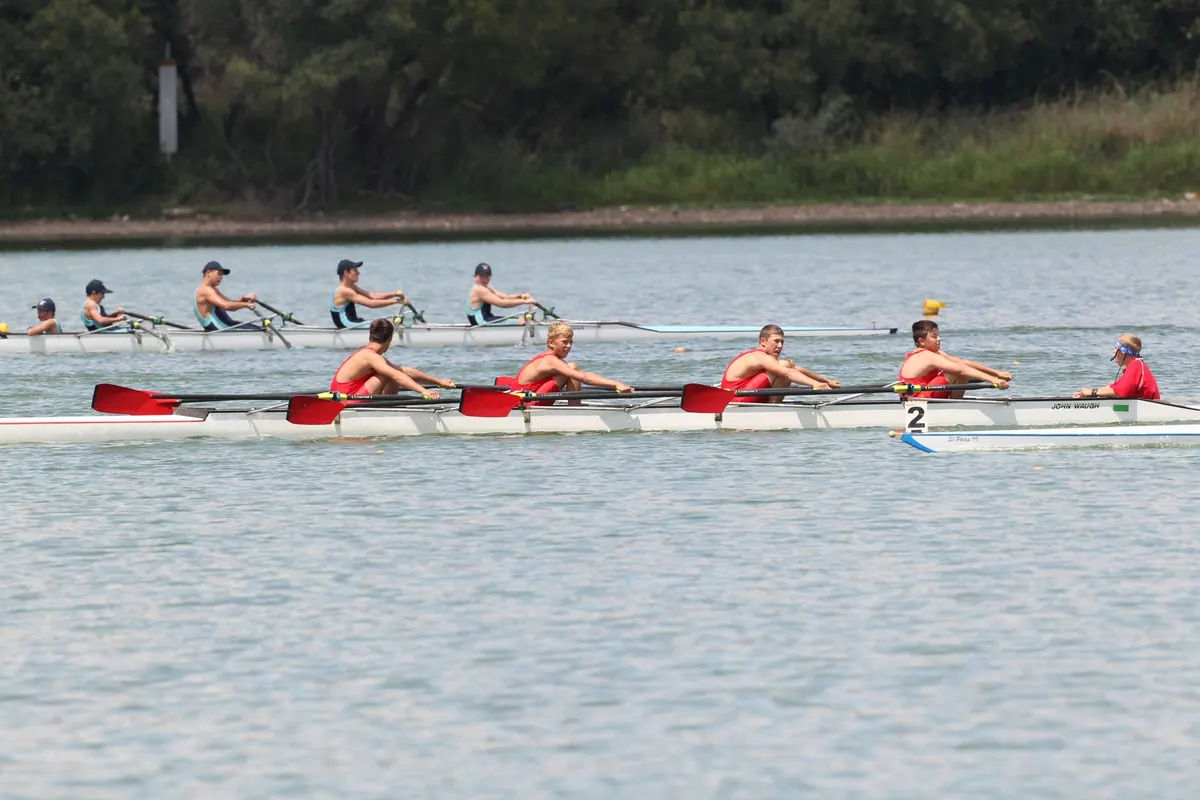
Junior to Senior Rowing: What Changes When You Move Up a Category
The first time a junior rower lines up against senior opposition, the water looks the same. The boat is familiar. The start sequence has not changed. Then the race begins, and everything feels faster, tighter and less forgiving. Moving up a category is not simply a matter of getting older. It is a change in how you train, what you race, who you race against and how you are selected.
If you are making that step—or about to—here is what actually changes, and how to prepare without losing the qualities that got you there.
Training volume grows, but so does the easy work
Junior programs often run on six to nine sessions a week. School, exams and family logistics shape the plan. Senior squads, especially at U23 and elite level, commonly train ten to fourteen times a week, including double sessions, weights, cross-training and mobility. The jump is not just more hard meters. It is more steady meters, more strength work and more time spent recovering.
The sessions that surprise newcomers are the long, quiet ones. Forty minutes of steady state on the erg. Ninety minutes in a single. A second session in the afternoon that feels almost too easy. Those rows build the engine that lets you hold technique when the rate goes up in a 2k. They also teach patience.
What to add first
Do not double your training in a week. Add volume gradually, keep most of it easy, and protect sleep. A useful rule is to finish most steady sessions able to hold a conversation. If you are wrecked after every row, you are not building—you are surviving. Nutrition, sleep and recovery are part of training, not extras. If you have ongoing pain, fatigue or health concerns, speak with a qualified medical professional and your coach.
Boat classes become less age-based
Junior racing often revolves around the eight, the quad, the four and the double. Those boats still exist in senior rowing, but the mix opens up. You may find yourself in a pair, a lightweight double, a single, or a four. Senior selection also cares less about keeping a crew together for a season and more about finding the fastest combination on the day.
That means your technical range matters. A rower who only knows bow seat in an eight may struggle in a pair, where balance, catch timing and communication are exposed. If you can scull and sweep, you become more useful. If you can race a single, you learn to solve problems without a crew around you. Coxswains face a similar shift: senior coxing involves more race strategy, rate calls and crew management, less reminding people to sit up.
Race distances and racing rhythm
The standard championship distance remains 2,000 meters. Junior rowers already know the number. What changes is the rhythm around it. Senior regattas may include heats, repechages, semifinals and finals across several days. Head races run 5,000 meters or more. Some regattas use shorter formats. You need to race well when tired, not just once.
Tactically, the 2k becomes less about one big move and more about execution. Senior fields are deeper, so a bad first 500 meters is harder to erase. You still need a strong start, a committed middle and a sprint, but the best crews often win by holding form and pace when others start fighting the boat.
A 2k is still a 2k—but the margins shrink
At junior level, fitness alone can carry you past less prepared crews. At senior level, almost everyone is fit. The difference is often technical efficiency, race experience and the ability to stay relaxed at high rate. Video review, rate work and pacing practice become more valuable than simply adding another hard erg.
Selection pressure changes shape
Junior selection can feel serious, but it is usually age-banded. You compete against rowers your own age. Senior selection is open. A 19-year-old may be racing for a seat against a 28-year-old international. There is no guarantee of a next year in the same boat, and no automatic progression from junior champion to senior crew.
Selection is also continuous. Coaches watch erg scores, water trials, seat racing, technical work and how you handle fatigue. One good test does not secure your place, and one bad session does not necessarily end your chances—but the pattern matters. You are building a case over months, not just a single weekend.
The mental shift: ownership and consistency
The biggest change many juniors notice is not physical. It is the shift from being managed to managing yourself. In junior programs, coaches often remind you about warm-ups, hydration, sleep and session times. At senior level, those basics are assumed. If you skip a cool-down or stay up late before a long row, you will feel it—and so will your crew.
Consistency matters more than occasional heroics. A rower who hits every session at 80% effort and stays healthy will usually outperform someone who smashes two sessions a week and spends the rest of the week recovering. Senior coaches value reliability: showing up on time, ready to work, with the right food and gear. They also notice how you respond to setbacks. A bad race or a missed seat can either sharpen you or sink you.
Example: the quiet Monday
Imagine a Monday morning in a senior squad. The water is flat, the rate is low, and the coach says little. You row 18 kilometers in small boats, focusing on catch timing and clean finishes. It feels almost too easy. Then Tuesday brings a 3 x 2k at rate 32. The Monday work is why you can hold form when it hurts. Skip it, and Tuesday exposes you.
Practical steps for the transition
If you are moving up a category, treat the first few months as a building phase, not a proving ground. Here is a simple approach:
- Audit your week. Write down every session, meal, sleep block and travel commitment. Find gaps where recovery can improve.
- Add one easy session first. Before adding another hard erg, add a steady row or a mobility session. Your body needs time to adapt.
- Learn to scull and sweep. If you only row one way, ask your coach for time in the other. It makes you more selectable.
- Race tired. Enter a head race or a multi-race weekend. Practice executing when your legs are heavy.
- Keep a log. Note sleep, energy, session details and how you felt. Patterns will emerge—good and bad.
Most importantly, keep the qualities that got you there: curiosity, work ethic and coachability. Senior rowing is harder, but it is also more rewarding. The margins are smaller, so the details matter more. If you respect the process, the step up becomes a chance to become a more complete rower, not just a faster one.
Senior rowing does not reward the athlete who trains the hardest for one week. It rewards the one who trains well for many months.
Photo: Patrick Case / Pexels